



A total of 13,309 young Ghanaians have graduated from the pilot phase of the National Apprenticeship Programme, exceeding the government’s initial target of training 10,000 beneficiaries.
President John Dramani Mahama announced this at the programme’s graduation ceremony on Friday, November 20, 2026, revealing that the initiative had attracted more than 300,000 applications from young people seeking vocational training opportunities.
According to the President, the government initially planned to train 10,000 young people but eventually enrolled 14,335 apprentices, exceeding the target by 43 per cent.
Of those enrolled, 13,309 successfully completed their training, representing approximately 93 per cent of the total beneficiaries.
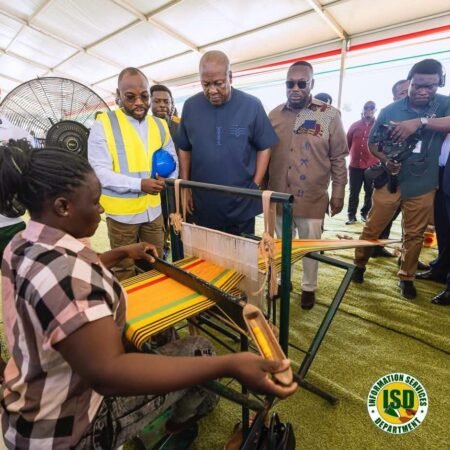
“Today belongs to the 13,309 young men and women who make up our first graduating class of the National Apprenticeship Programme. You have spent months learning your trades, practicing your skills, and earning your trainer’s confidence. Your families share in this achievement today,” President Mahama said.
He explained that the programme was implemented across all 16 regions to ensure that young people throughout the country had access to practical skills training.
The Upper West Region recorded the highest number of beneficiaries, with more than 2,200 apprentices, followed by the Northern Region with over 1,900.
The Ashanti and Greater Accra regions each recorded more than 1,400 beneficiaries, while the Eastern and Upper East regions had over 1,000 participants each.
Thousands of other beneficiaries were selected from the remaining 10 regions.
President Mahama said the overwhelming interest in the programme demonstrated the growing demand for practical skills training among Ghanaian youth.
He noted that vocational and technical training provides opportunities for young people to acquire employable skills, become self-employed and improve their livelihoods.
The National Apprenticeship Programme is a government initiative designed to equip young Ghanaians with practical, industry-relevant skills through structured apprenticeship training.
The programme seeks to improve youth employability, promote entrepreneurship and provide beneficiaries with opportunities to establish their own businesses.
The graduation of the first 13,309 apprentices marks the completion of the programme’s pilot phase, with demand for training opportunities far exceeding the initial target.
Other GCNews





No Comment! Be the first one.