

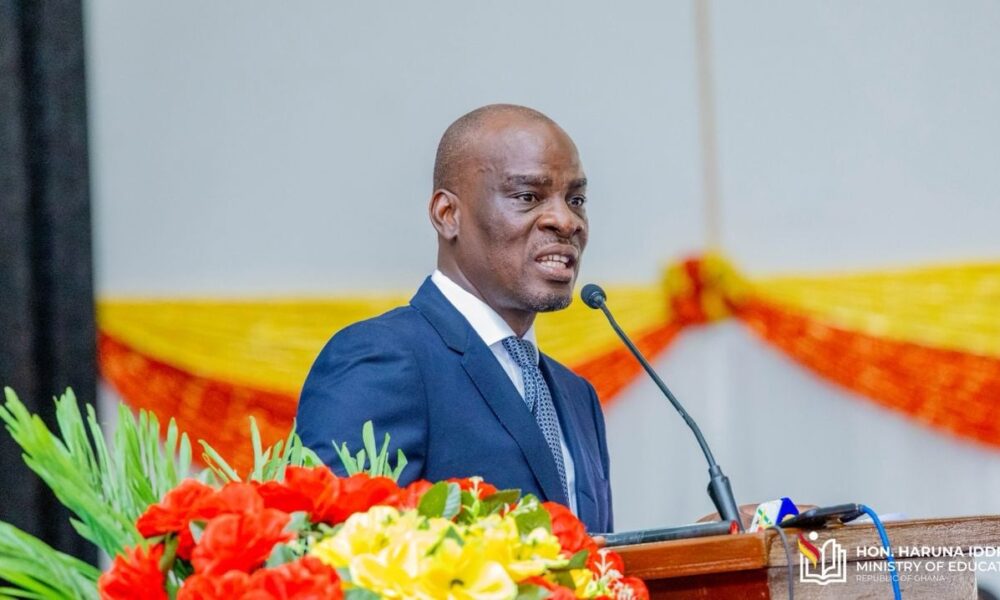
Minister for Education Haruna Iddrisu has called on African countries to take charge of their digital education future, urging the continent to develop its own technology-driven learning systems rather than depend on solutions designed elsewhere.
Speaking at the 18th Ministerial Round Table, which brought together education leaders, policymakers, development partners, and technology experts, the Minister stressed the need for Africa to build sovereign, innovative, and inclusive education systems capable of meeting the demands of the digital age.
According to him, Africa must move beyond being a consumer of imported technologies and position itself as a leader in digital learning and innovation.
“Africa must become a leader in digital learning rather than depend on solutions developed elsewhere,” he said.
Mr. Iddrisu highlighted Ghana’s investments in digital education, Science, Technology, Engineering and Mathematics (STEM) education, artificial intelligence, robotics, and curriculum reforms aimed at preparing learners for the future.
He emphasized the importance of developing locally relevant educational content, strengthening institutions, and ensuring equitable access to technology-enabled learning opportunities across the continent.
The Minister also called for increased investment in artificial intelligence literacy and the development of ethical AI frameworks that reflect African values and priorities.
He warned that Africa risks remaining on the margins of technological advancement if it fails to build the necessary capacity to create and govern emerging technologies.
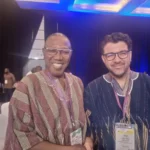
The UNESCO Representative to Ghana, Edmond Moukala, underscored the importance of foundational literacy in an era increasingly shaped by artificial intelligence and digital technologies.
According to him, skills such as reading, writing, critical thinking, and information evaluation remain essential prerequisites for meaningful participation in the digital economy.
“Foundational literacy remains critical in the age of artificial intelligence,” he noted.
Mr. Moukala also advocated the development of public digital learning platforms that support teachers, protect learner data, and uphold education as a public good.
Participants at the round table agreed on the need for stronger collaboration among governments, development partners, educational institutions, and technology stakeholders to advance Africa’s digital education agenda.
The discussions concluded with a shared commitment to harness technology responsibly while promoting home-grown, inclusive, and sustainable digital learning systems capable of transforming education across the continent.
The Ministerial Round Table forms part of ongoing efforts to shape Africa’s response to emerging technological trends and ensure that education systems remain relevant in an increasingly digital world.