


Comments by Hakainde Hichilema have reframed an online controversy over Ghana’s traditional fugu garment into a broader endorsement of cultural diplomacy, after he publicly praised the attire worn by John Dramani Mahama during a state visit to Zambia.
The remarks followed days of cross-border debate on social media after President Mahama arrived in Lusaka wearing the fugu, a hand-woven smock from northern Ghana, while Zambian officials welcomed him in Western-style suits. Some Zambian users unfamiliar with the garment questioned its design, with a few jokingly referring to it as a “blouse,” prompting strong reactions from Ghanaians defending its cultural significance.
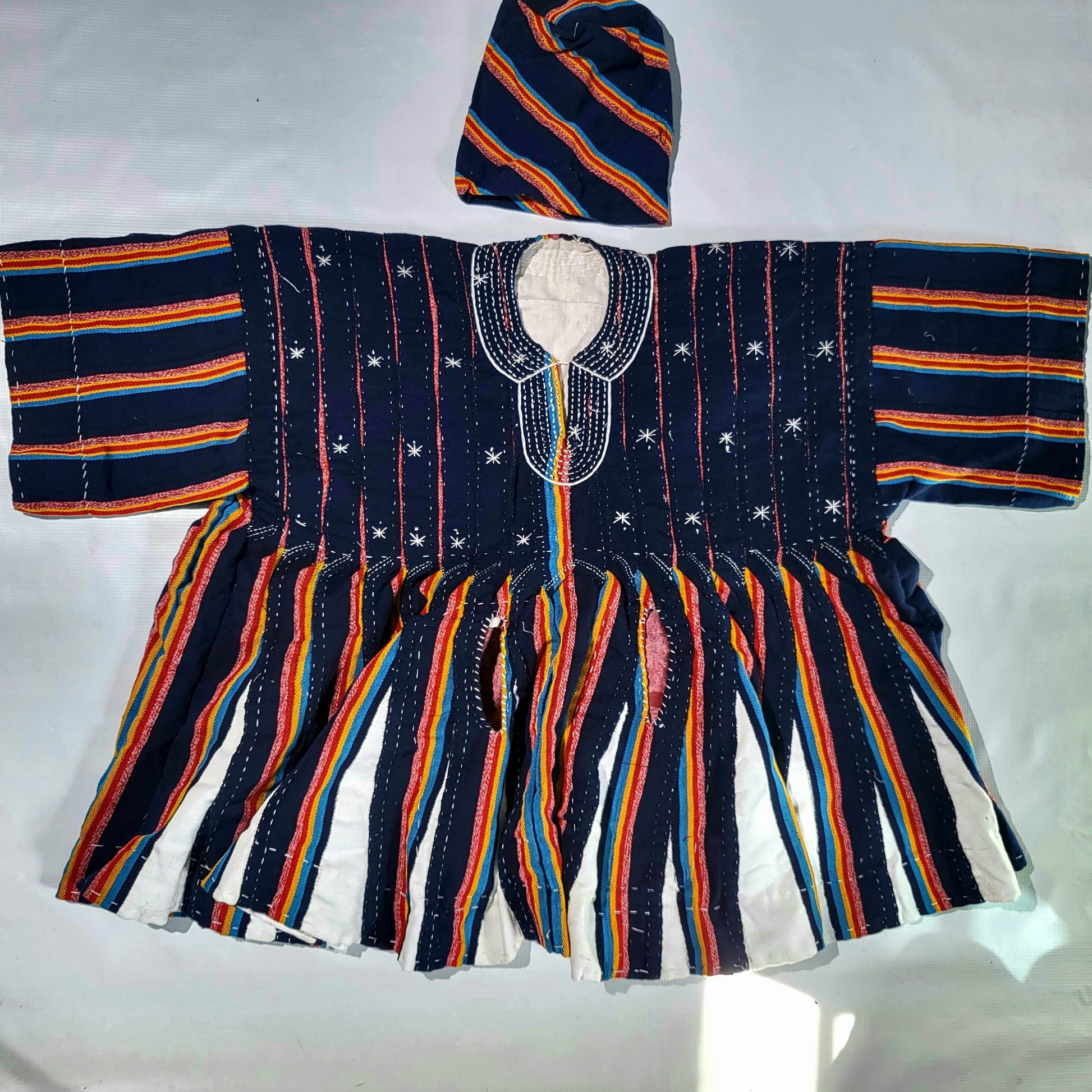
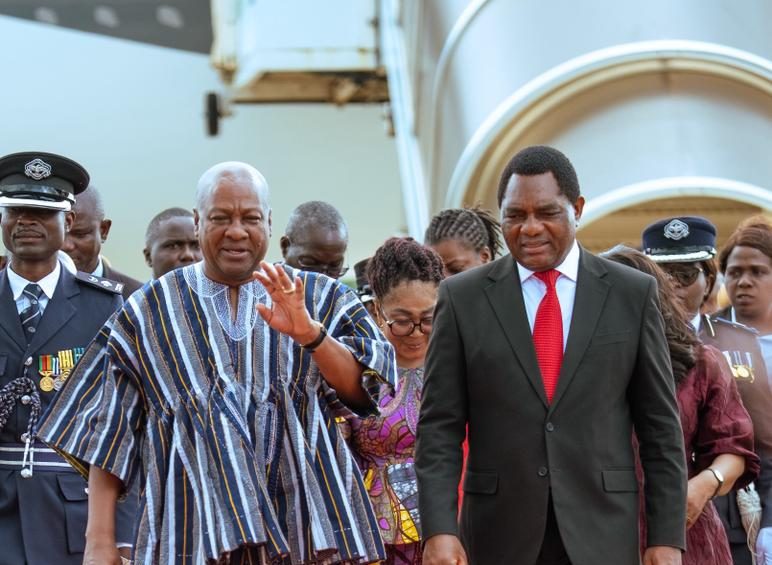
“I am very happy that Foreign Minister you dressed like that,” President Hichilema said. “I asked my team to post on various platforms… that the President of Zambia will be ordering more of that stuff for himself. And you saved my words because you spoke very well about the importance of our culture and traditions.”
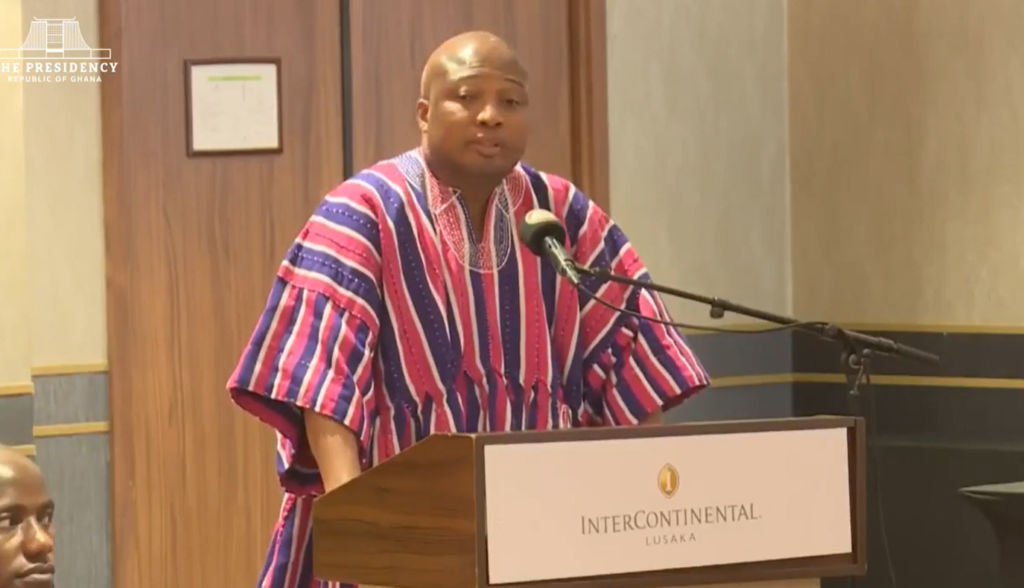
His comments effectively elevated the discussion from fashion critique to cultural influence, with the Zambian leader arguing that national identity and tradition are central to global success. He cited countries such as Japan as examples where cultural values are deeply embedded in governance, innovation and economic progress.
The cultural exchange had already drawn official responses in Ghana. Earlier on Friday, the debate reached the floor of Parliament in Accra, where several Members of Parliament arrived dressed in traditional smocks to show solidarity with President Mahama and to assert the place of indigenous attire in state representation.
By publicly embracing the fugu and expressing interest in wearing it himself, President Hichilema signalled a diplomatic acknowledgement of Ghanaian culture, transforming what began as online humour into a moment of soft power and mutual cultural respect between the two countries.
Observers say the episode highlights how symbols such as traditional dress can shape international perceptions, influence dialogue beyond formal policy discussions, and reinforce cultural pride within diplomatic engagements.
Other GCNews
FWSC Slams University Unions Over ‘Unjustified’ Strike
KNUST Student Creates Eco-Friendly Mathematical Set