

Concerns over desk shortages and examination malpractice continue to affect schools across Ghana, despite recent improvements in parts of the education sector, a new assessment by Africa Education Watch has revealed.
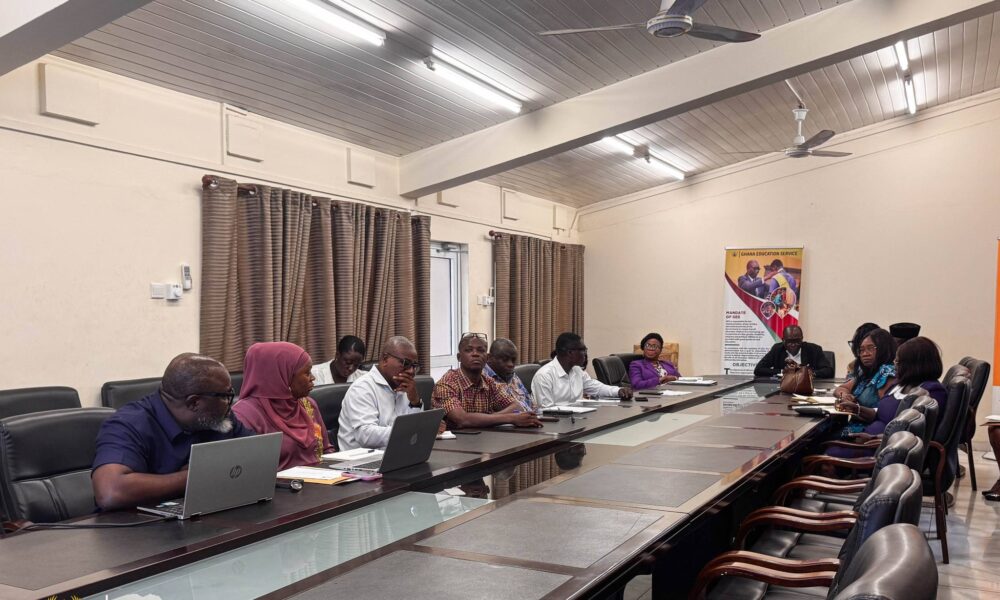
The issues were highlighted during a policy debriefing session with the Ghana Education Service on Monday, March 30, 2026, where the civil society group presented findings from its latest study on the state of education in the country.
According to the group, while progress has been made in some areas, key challenges remain unresolved, particularly the lack of adequate desks in some schools and ongoing concerns about examination malpractice.
The study also examined other critical areas, including teacher deployment, the effectiveness of the school feeding programme, and the administration of capitation grants.
Africa Education Watch noted that although capitation grants have been released more promptly in recent times, and initiatives such as the sanitary pad programme are helping to promote inclusive education, these gains are being undermined by persistent gaps in infrastructure and accountability.
The findings suggest that disparities still exist in the distribution of teachers, especially in underserved areas, affecting the quality of education delivery.
The engagement with GES provided a platform for the group, led by its Executive Director, Kofi Asare, to present evidence-based recommendations aimed at addressing these challenges.
In response, GES management acknowledged the concerns and reaffirmed its commitment to working with stakeholders to improve the education system.
The Service said it remains open to constructive feedback and collaboration with civil society organisations to tackle the identified issues and improve outcomes for students across the country.
The discussions highlight the ongoing need for targeted interventions to address infrastructure deficits and strengthen oversight within the education sector.
Other GCNews




No Comment! Be the first one.