



The University of Cape Coast (UCC) has raised concern over the increasing rate of gambling addiction among students, warning that the growing betting culture poses serious risks to academic success and mental health.
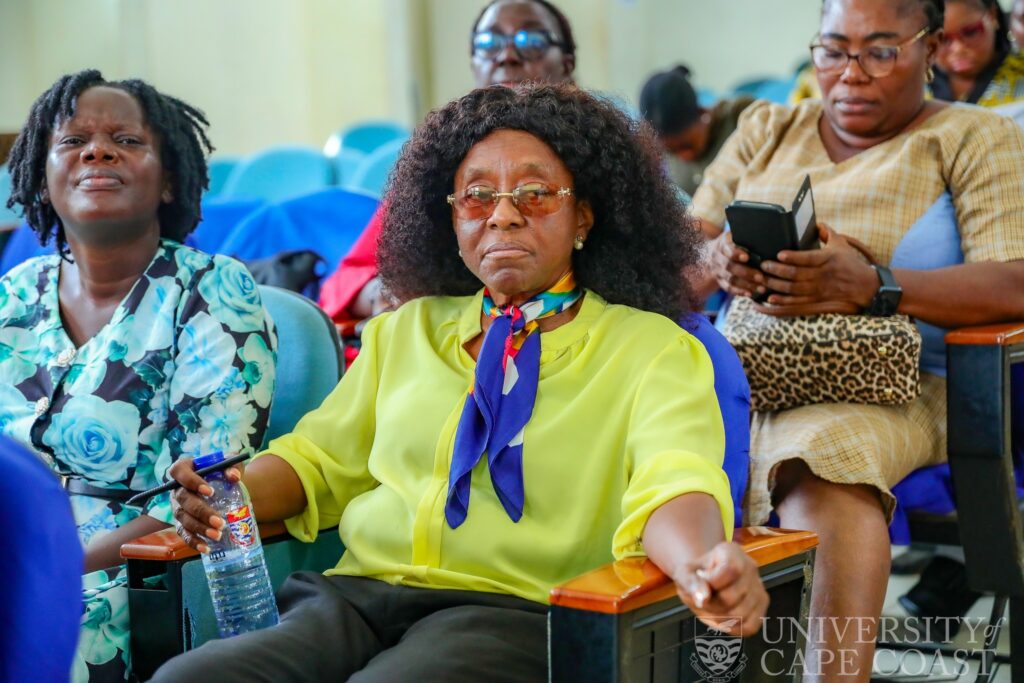
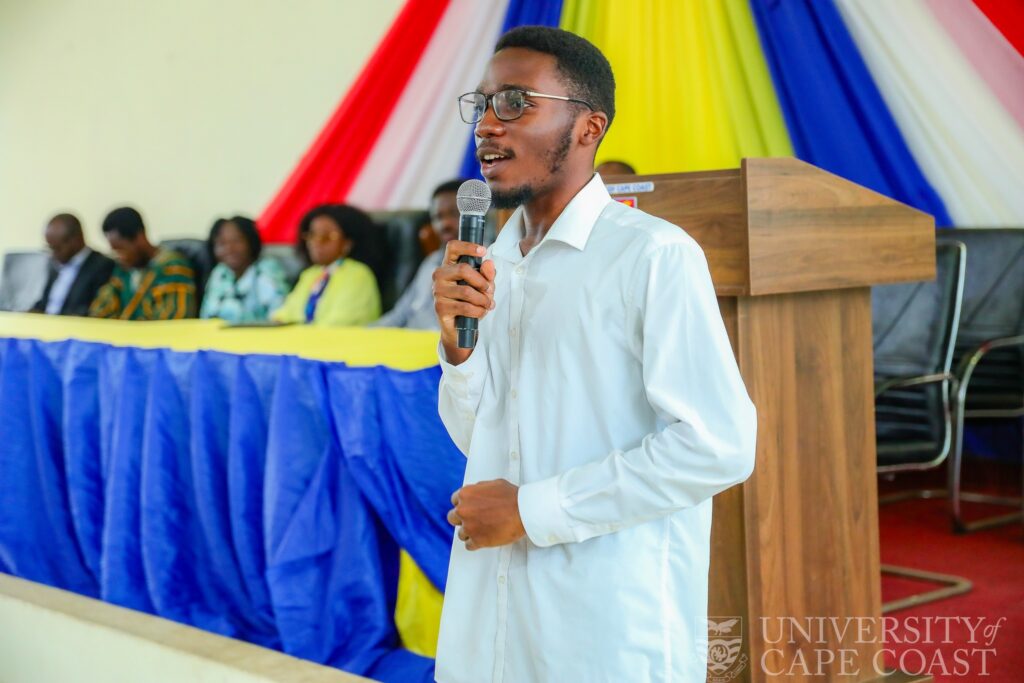
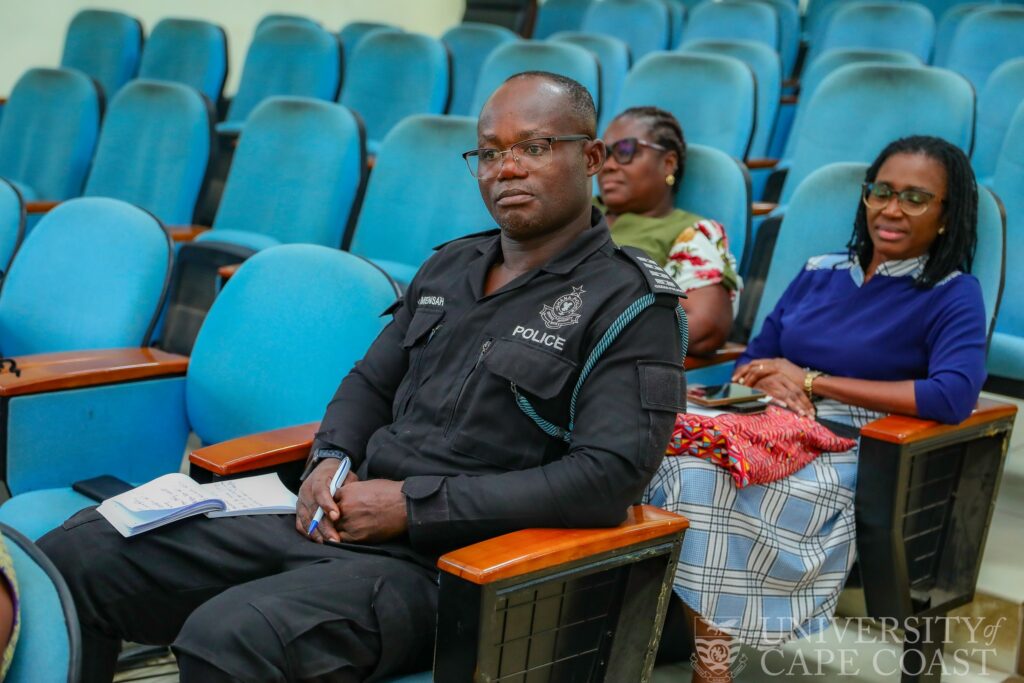
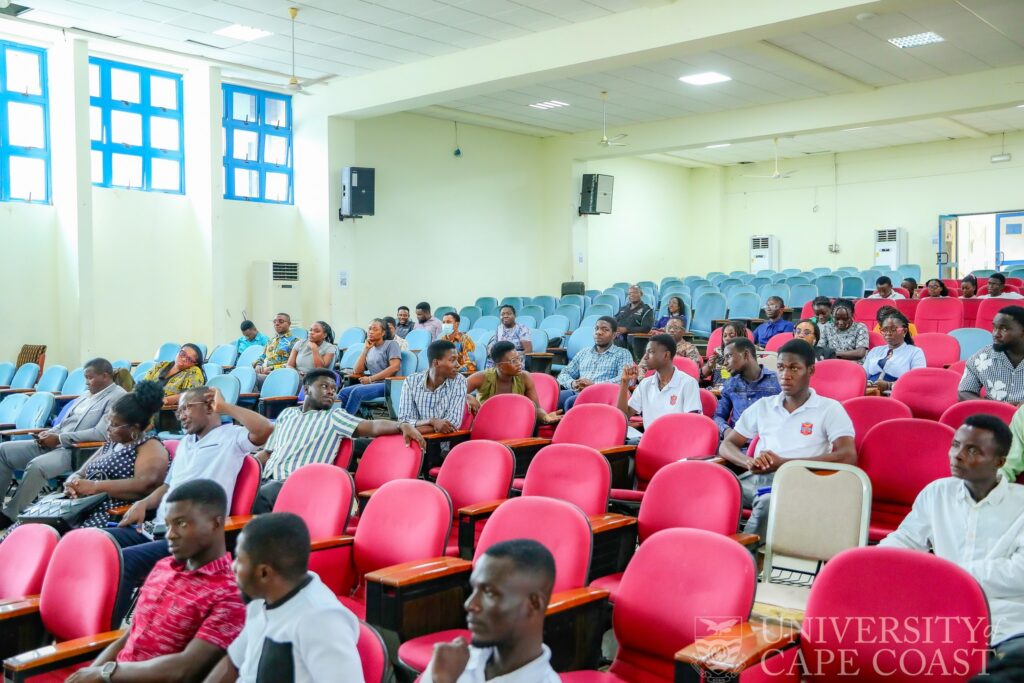
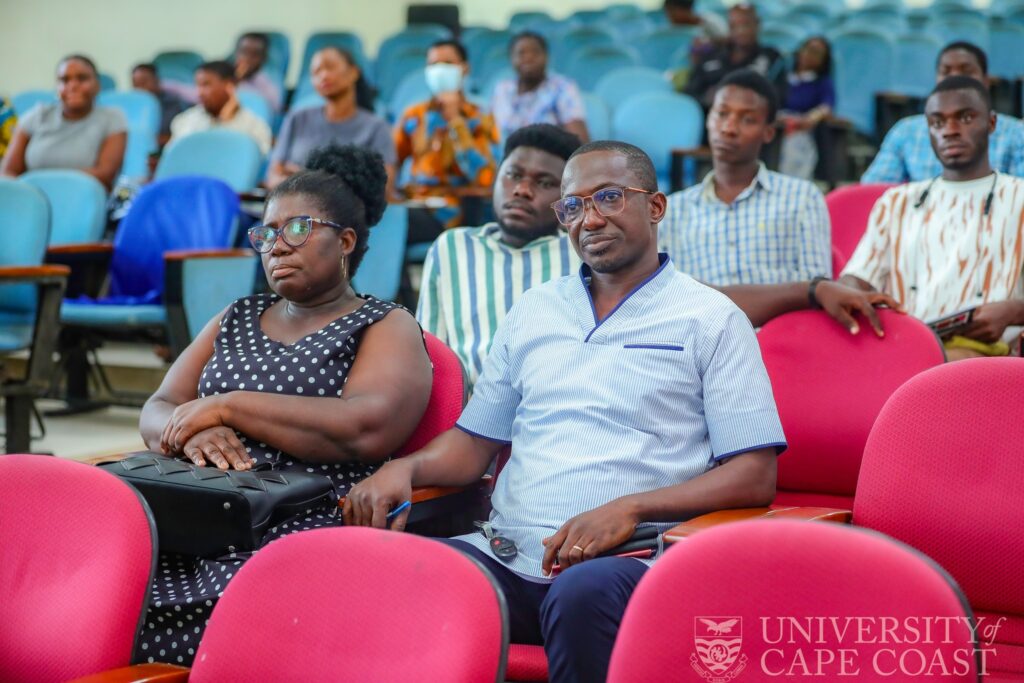
The university’s Counselling Centre organised a one-day workshop to educate students on the detrimental effects of gambling addiction and its impact on personal well-being and academic goals.
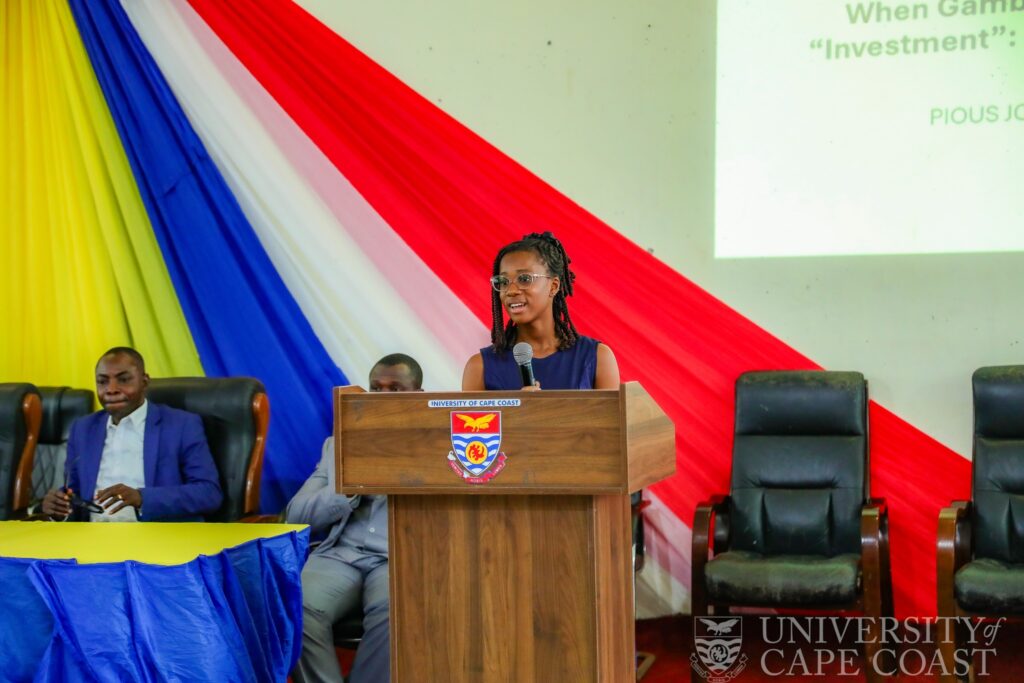
The workshop, held under the theme “Gambling, a Friend or Foe: From Leisure to Liability,” examined the psychological and social consequences of sports betting, which has gained popularity in Ghana following the proliferation of betting companies.
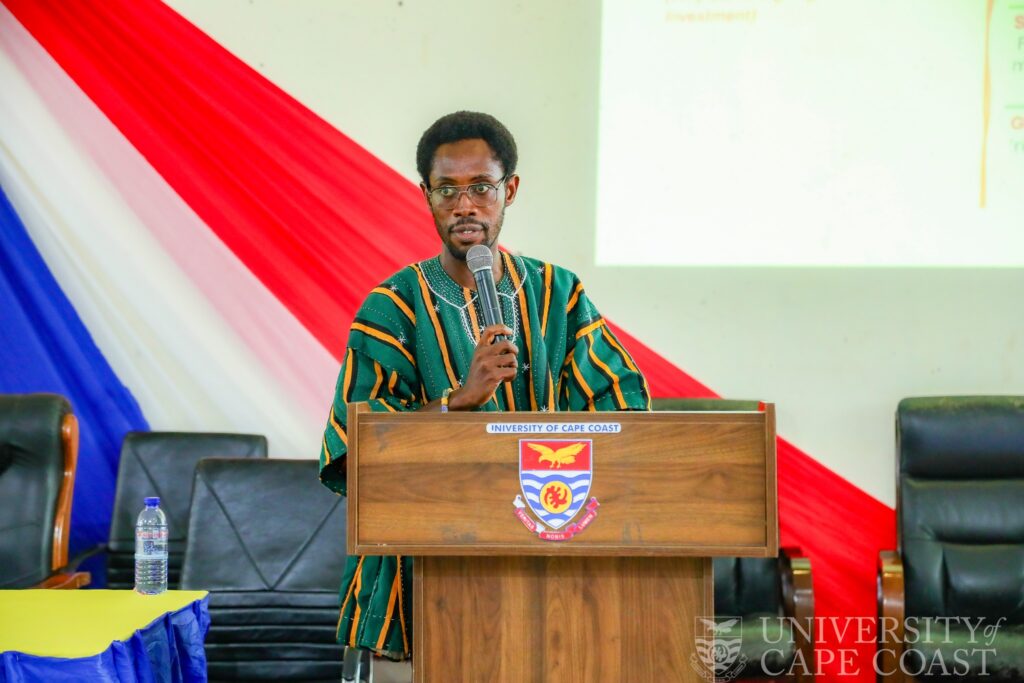
Speaking on the topic “When Gambling Becomes an Investment: The Role of Gambling Fallacies,” Mr. Pious Jojo Adu-Akoh, a PhD student at the Department of Guidance and Counselling, described sports betting as wagering on the outcome of sporting events, particularly competitive football in popular European leagues.
He noted that while the primary motivation for betting is to win additional money, repeated wins often create excitement and an illusion of control, encouraging continuous betting even after losses.
The Provost of the College of Education Studies, Professor Douglas Agyei, described the rising trend of betting among Ghanaian youth as a dangerous path that could derail education and family life if left unchecked.
The Director of the Counselling Centre, Dr. Eugene Kwarteng Nantwi, described gambling addiction as a “silent national canker” threatening the future of Ghana’s youth.
“By working together, we can help prevent this silent national canker from destroying the lives of Ghana’s youth,” he said, adding that addiction to gambling could push victims into social vices, including stealing.
The workshop forms part of UCC’s broader efforts to promote mental health awareness and responsible student conduct on campus.

Other GCNews

UCC VC Warns Freshers Against Hall Clashes, Threatens Dismissal